


In the iGaming vertical, the terms “skill-based” or “hybrid gambling” are appearing more and more often. The growing interest in this format comes from changes in the audience itself. Millennials and Gen Z perceive gameplay differently. Classic slots feel too passive to them—they lack engagement and a sense of control over the process. Users are used to dynamics, to wins that depend on their actions, to competition, and to visible progress, just like in modern video games.
At the same time, the interest in gambling hasn’t disappeared. Users still value risk and the chance to win, but now in a format where they can at least partially influence the outcome. In this article, the RentAcc team explains what skill-based games in iGaming are, how they work, and why affiliates should adapt to these new market realities.
What are skill-based games
Hybrid games combine two approaches: classic gambling mechanics based on randomness and elements where the result partially depends on the player’s actions. Unlike traditional slots, where outcomes are fully luck-based, users now have the ability to influence the process.
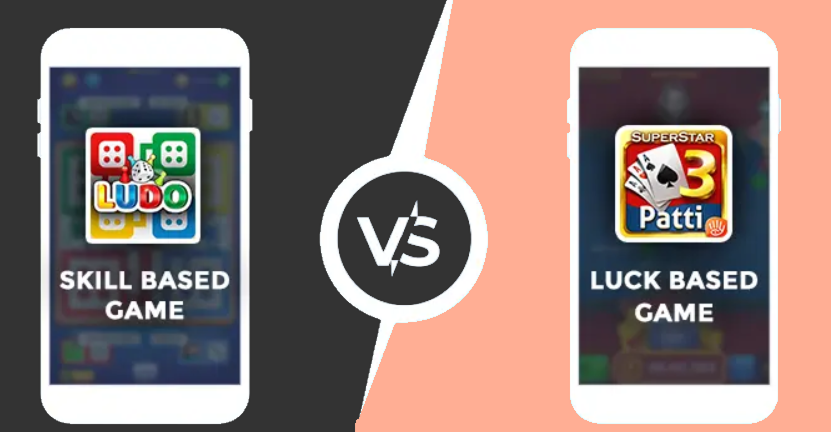
On one hand, unpredictability remains, which is what makes iGaming attractive. On the other, gameplay is added, where decisions, reactions, or understanding of mechanics matter. This combination defines a new format that is actively developing in the market.
Hybrid games are characterized by:
- unpredictability typical of classic slots
- gameplay combining luck and player input
- modern mechanics borrowed from video games
- a balance between skill and randomness—results should reflect player ability without becoming fully predictable
- higher engagement, as users feel that outcomes depend on their skills and can be improved
As an example, take the Ancient Treasure slot by RedPlum with an interactive bonus round. At the start, the user spins the reels as usual, relying on luck. But when a bonus round triggers, the player can influence the outcome—by choosing actions, making decisions, or reacting in real time.
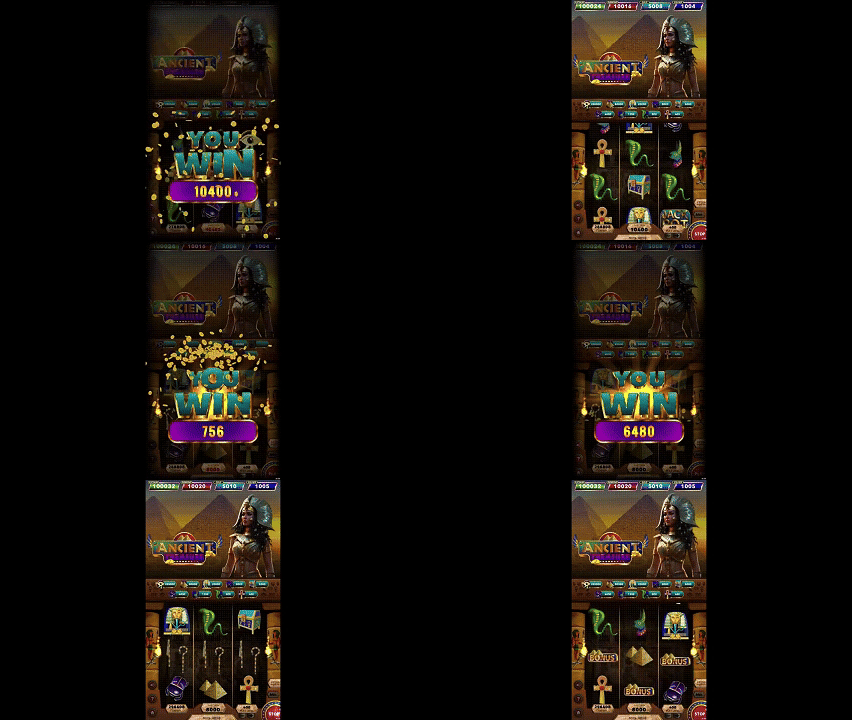
There can also be mini-games where players use their skills to affect the result. This is the key difference of the format. The user doesn’t just spin—they feel control over the outcome, which increases session time, engagement and changes how wins are perceived.
Why hybrid games are shaping the future
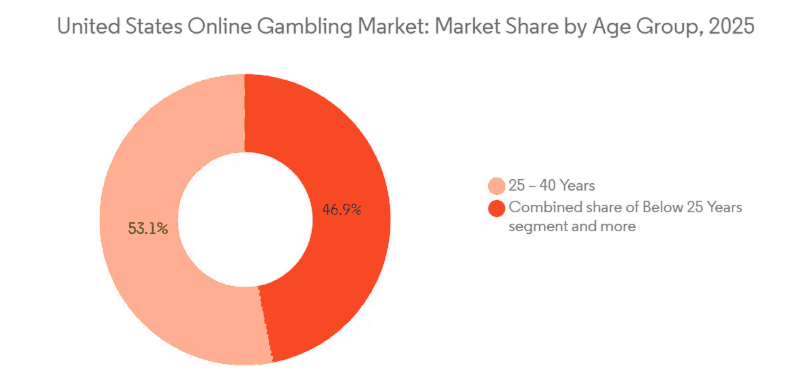
Players are no longer satisfied with mechanics based purely on randomness. The process itself matters—the sense of control and the understanding that your actions impact the result. Skill-based games fully meet the expectations of younger audiences. Users are not willing to engage with products where they remain passive observers. At the same time, the 25–40 age segment generates the majority of casino revenue, accounting for 53.1% of the market.
Mobile plays a key role in the growth of hybrid games. Short sessions, simple controls, and fast interface response make these games suited for smartphones. The spread of 4G and growing 5G coverage enables smooth gameplay without delays, while simplified payment solutions reduce entry barriers. Integration with Apple Pay, Google Pay, and PayPal has reduced transaction times to under 10 seconds—directly impacting deposit conversion rates.
According to Mordor Intelligence, the market continues to grow due to new audience segments. By 2031, the female audience is expected to grow at an average annual rate of 10.12%, while in 2025 men accounted for 69.01% of the market. This gap is gradually narrowing, partly due to a shift in product approach—toward entertainment, active gaming communities, and enjoyable user experience.
Key factors behind the popularity of hybrid games
Skill-based games first gained traction back in 2016–2017. Some machines by GameCo even featured controllers to attract players who grew up on video games.
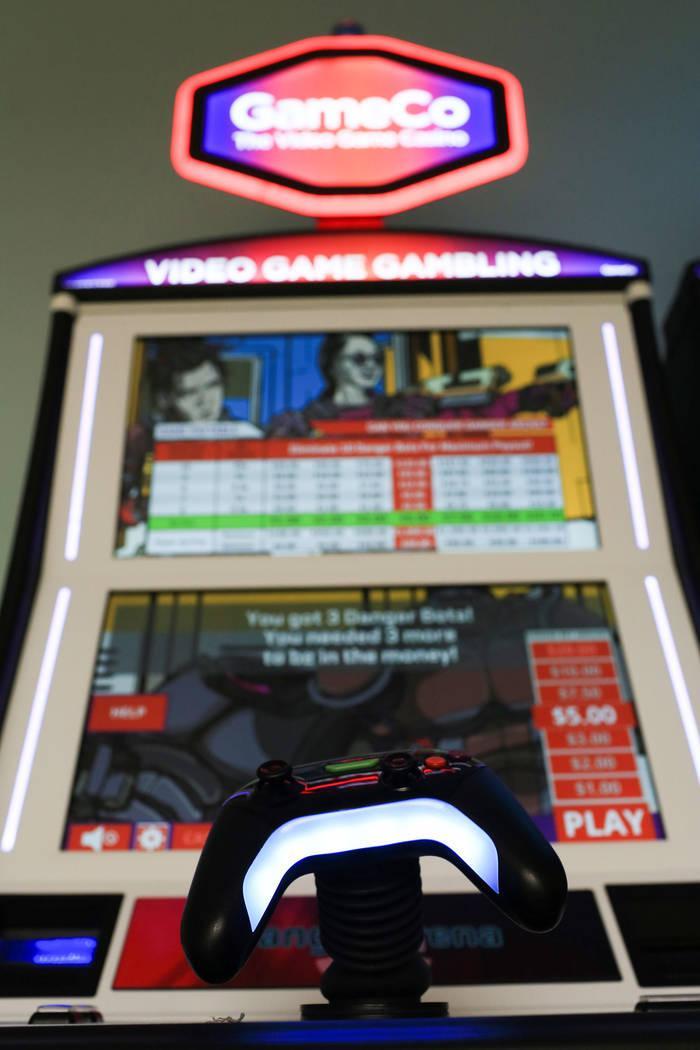
The market also experimented with similar ideas through play-to-earn models, where users were actively involved in gameplay and influenced outcomes. Players increased the value of in-game characters, which could be expressed in cryptocurrencies or NFT tokens.
The popularity of hybrid games is driven by several factors:
- changing player expectations—demand for interactive gameplay is growing
- influence of video games—users are used to mechanics where skill matters
- higher engagement due to active participation
- broader audience reach by combining different player types within online casinos
- improved user experience through mini-games and additional mechanics
- accessibility and flexibility, especially on mobile
Players now come not only for potential winnings but also for the experience. Traditional slots offer little control—the user simply presses a button and hopes for the best. There’s no progression or real way to improve. You can play a thousand times and never change the outcome. Skill-based games offer a different approach. The user feels they are improving over time—controlling speed, timing, and strategy.
Regulatory aspects
In some GEOs, skill-based games are regulated differently from classic gambling—but it all depends on what has the bigger impact on the outcome: skill or randomness. If randomness dominates, the product falls under standard casino regulation. The main challenge for operators is proving that player skill genuinely affects the outcome.
It’s not enough to simply add interactive elements—the mechanics must be designed so that, over time, a skilled player consistently performs better than a weaker one. This is verified by independent certified labs, which complicates development and requires constant adaptation to local regulations.
Working with hybrid offers: key specifics
Skill-based games always combine factors: part of the outcome depends on randomness, and part depends on player actions—or at least creates that perception.
Classic examples include card games like poker. Despite randomness in card distribution, long-term results depend on player skill—strategy, probability calculation, and opponent analysis.
The same applies to blackjack: decisions like hitting or doubling down directly affect the outcome, even though the cards are dealt randomly.
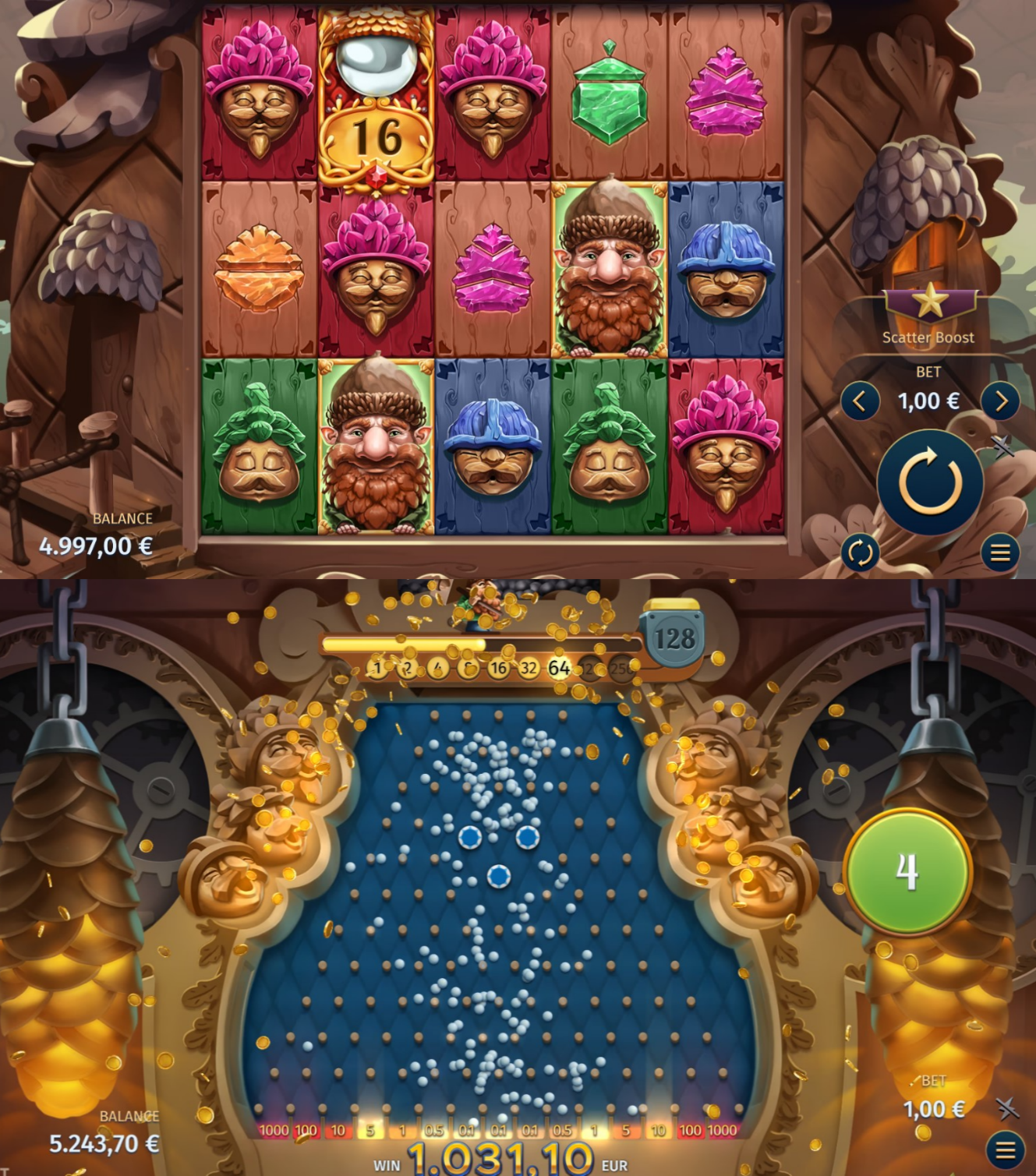
There are also slot-like games enhanced with special rounds where strategy or logic can influence winnings or unlock rewards. For example, Pine of Plinko by Print Studios combines a traditional slot with arcade-style Plinko. The base slot transitions into a bonus round where the player controls the ball drop, and its trajectory determines the payout.
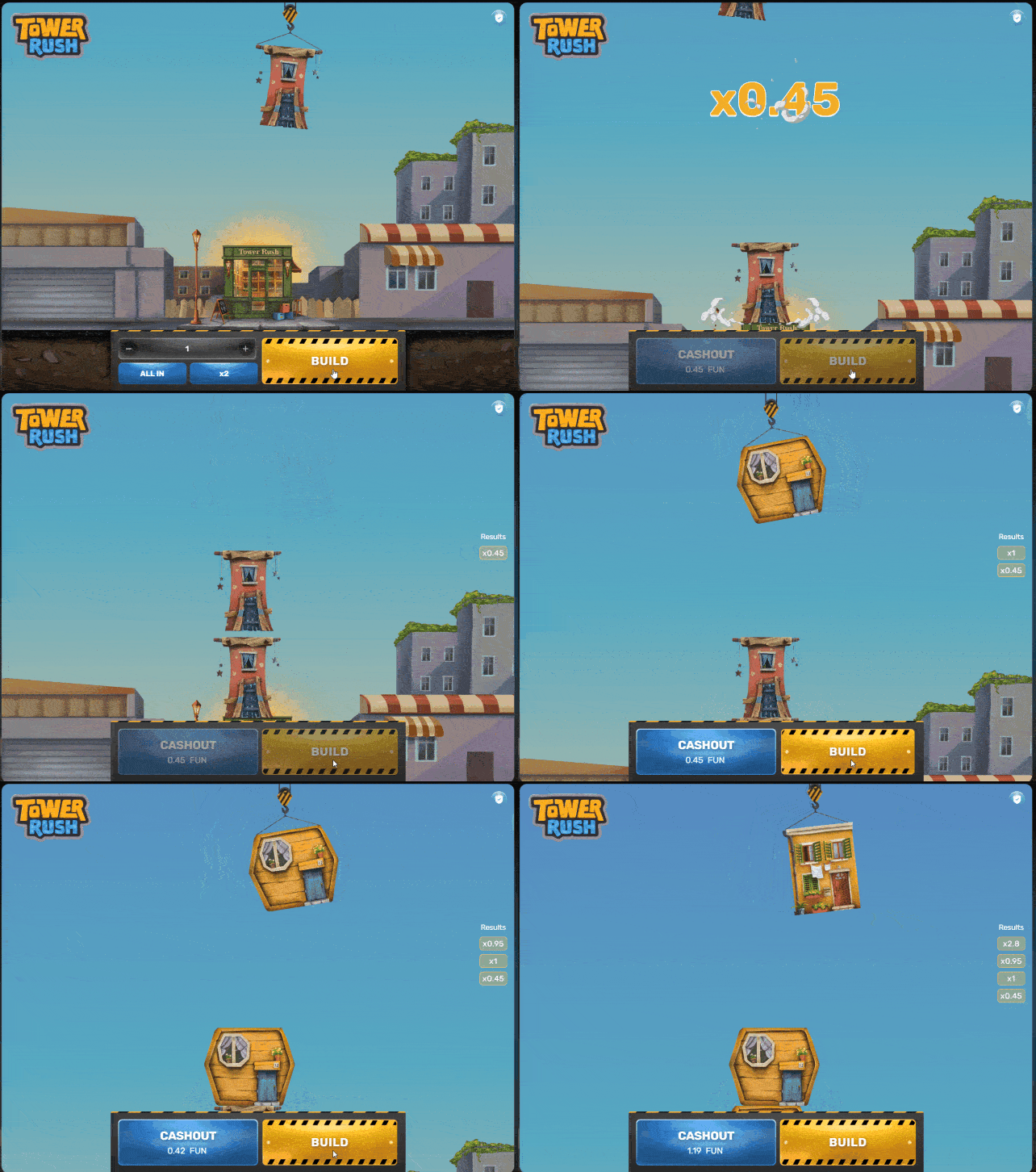
A similar concept appears in crash-style games like Tower Rush by Galaxsys, where users directly influence outcomes through in-game actions. This leans closer to arcade mechanics, where results depend not only on the system but also on reaction, timing, and decision-making.
Betting can also be mentioned separately. Formally, it’s a different vertical, and linking it to skill-based gaming requires some nuance. However, from a user perspective, sports betting follows a similar logic—players analyze matches, rely on statistics, and use prior experience, which creates a sense of control despite inherent randomness.
Finally, fully arcade-based mechanics are entering the market: racing, shooters, and simple competitive games. Users place bets, participate in sessions, and receive rewards based on their performance relative to other players.

Creatives and approaches that perform
Hybrid offers require a slightly different creative angle—the focus shifts from pure luck to user involvement and perceived control.
You can promote them through:
- “Watch how I win with skill” format
Video creatives showing results achieved through player actions create a sense of control and repeatability. - Challenge/competition
Framing the ad as a challenge encourages users to test themselves or outperform others. - Almost win
Scenarios where the player nearly wins or makes an obvious mistake trigger a desire to repeat the process but “do it right” this time. - Gameplay demonstration
Clear and honest gameplay visuals so users instantly understand mechanics and engagement level. - Fake vs. real skill
Comparing random vs. skill-based outcomes to reinforce the feeling of control. This approach must be used carefully to avoid misleading users.
At the end of the day, everything depends on product quality. Clear rules, transparent communication, and strict control build user trust and long-term loyalty.
Traffic sources
The main traffic sources for hybrid offers are in-app networks like Moloco and Bigo Ads. In-app traffic often provides more predictable performance due to algorithmic optimization and flexible scaling.
Facebook can also be profitable, but from a moderation standpoint, there’s no difference between classic gambling and skill-based formats. That means creatives and positioning must follow the same strict rules as traditional gambling offers.
Large affiliate teams usually work with multiple traffic sources simultaneously, testing audience behavior across each. With agency accounts provided by RentAcc, the task becomes building strong funnels based on these insights and scaling without losing efficiency.
Conclusion
Skill-based games have the potential to significantly expand the iGaming audience. Hybrid formats—where users don’t just rely on randomness but actively participate—are gaining traction.
At the same time, this shift changes how affiliates approach traffic. It’s no longer enough to sell “luck”—creatives must clearly communicate that the user influences the process and that success depends, at least in part, on their skill and experience.
 Share this post